
What a roof replacement costs in Sacramento
By Shoail · Updated 2026-07-02
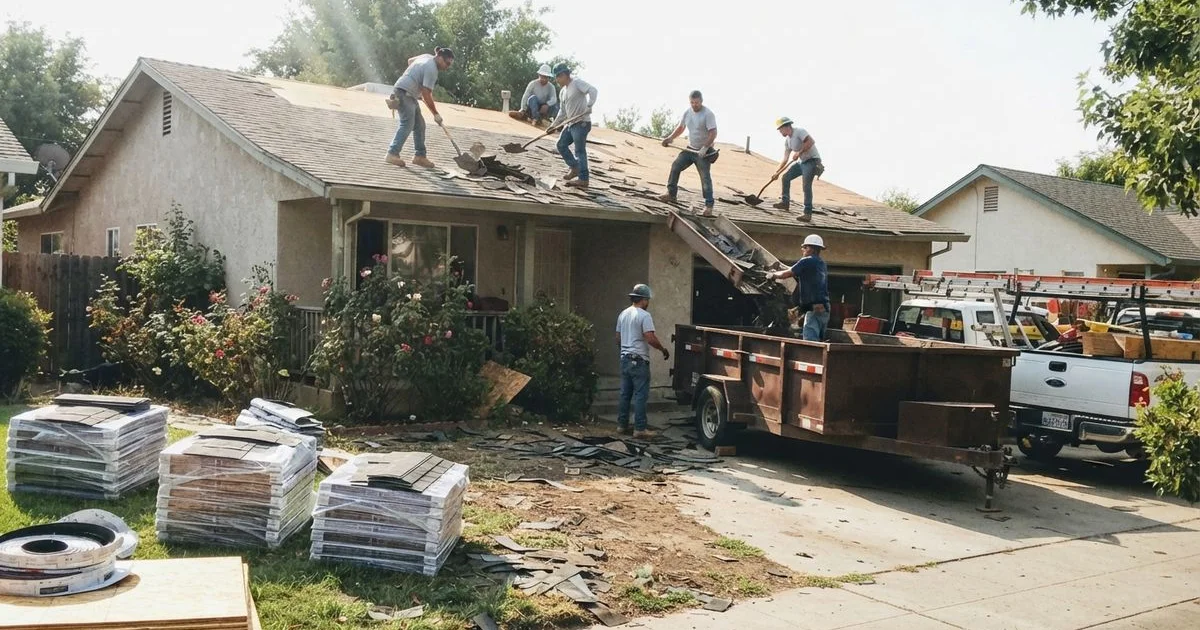
A full roof replacement is one of the largest single expenses a homeowner takes on, which is exactly why it pays to understand what’s actually driving the number before you start collecting quotes.
Roof size sets the baseline
Total roof size, measured in square feet of surface area rather than the home’s floor plan, is the starting point for any estimate. A larger roof means more material and more labor hours, in a fairly direct relationship. This is also why two homes with similar floor plans can have noticeably different roofing costs: roof pitch and overhang add surface area that floor space alone doesn’t capture.
Material choice is the single biggest cost lever
Roofing material affects price more than almost any other factor. In rough order from least to most expensive per square foot:
- Asphalt shingle: the most common and most affordable choice, a reasonable default for most homes.
- Architectural shingle: a heavier, more textured asphalt product, priced meaningfully above standard shingles for better appearance and wind resistance.
- Flat or low-slope membrane: used on flat or nearly flat roofs, priced in the middle of the range.
- Standing seam metal: a durable, long-life option that costs more than shingles by a significant margin.
- Clay or concrete tile: typically the most expensive material category, chosen mainly for longevity and a specific architectural look.
Tile and metal roofs can run more than double the cost of standard asphalt shingles for the same roof size, which is why material choice deserves as much attention in your budgeting as square footage.
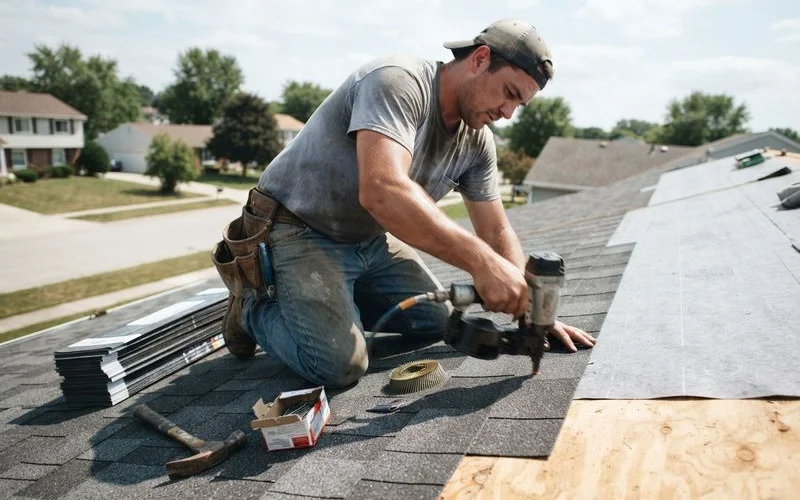
Pitch changes labor difficulty
A low-slope, walkable roof is the easiest and safest to work on. As pitch increases, so does the labor cost, since a steep roof requires more safety equipment, slower and more careful work, and sometimes a smaller crew working at a time. A steep-slope roof can add roughly 40 percent to labor costs relative to a low-slope roof of the same material and size.
| Factor | Lower cost | Higher cost |
|---|---|---|
| Material | Asphalt shingle | Tile or standing seam metal |
| Pitch | Low slope, walkable | Steep slope |
| Roof size | Smaller surface area | Larger surface area |
| Decking condition | Sound, no repairs needed | Rot or damage requiring replacement |
What isn’t captured in an initial estimate
An upfront quote is usually based on visible roof condition and stated dimensions. Two things commonly change the final price once work starts: hidden decking damage discovered during tear-off, which needs to be repaired before new material goes down, and permit fees, which vary by jurisdiction and project scope. A contractor who flags both possibilities before you sign is being straightforward with you; one who presents a fixed number as guaranteed regardless of what’s found underneath is setting up for a difficult conversation later.
Comparing replacement quotes
Line up quotes by material, warranty length, and whether decking inspection and potential repair are included or billed separately. A roof replacement specialist who breaks the estimate into material, labor, disposal, and permit costs is easier to compare against a competing bid than one who gives a single lump sum.
Financing and insurance
Full replacements are a large enough expense that financing is common. Many contractors offer payment plans directly, and a home equity line of credit is another option some homeowners use. If your roof failed due to storm, wind, or fire damage rather than ordinary wear, check with your insurer before assuming the full cost falls on you: part or all of a damage-related replacement may be covered depending on your policy.
Timing your replacement
Scheduling matters more than most homeowners expect. Contractors tend to book up furthest in advance during the busiest stretch of the year, so a roof nearing the end of its life is often easier and sometimes less expensive to schedule proactively rather than waiting until a leak forces an urgent replacement. Booking during a slower season can also give you more flexibility to negotiate on price, since the contractor isn’t juggling a full backlog of other jobs. If you’re still not sure a full replacement is warranted yet, the roof repair cost guide breaks down when a repair is still the more sensible call.
Getting the most useful comparison across quotes
When you’re collecting multiple bids, ask each contractor to quote the same material and roughly the same scope so you’re comparing like with like. A quote that looks cheaper on paper sometimes reflects a lower-grade shingle or a shorter warranty rather than a genuinely better price for the same job. Requesting an apples-to-apples breakdown upfront saves a lot of confusion once the bids start coming in.
See the home page to browse the full directory, and the ranking method for how contractors are scored.
FAQ
- What has the biggest effect on roof replacement cost?
- Material choice and total roof size matter most. Asphalt shingles sit at the lower end of the cost range, while clay or concrete tile and standing seam metal run considerably higher, often two to two and a half times the per-square-foot cost of asphalt.
- Does roof pitch actually change the price?
- Yes. A steep roof is slower and riskier to work on, which means more labor time and additional safety equipment. A steep-slope roof can add roughly 40 percent to labor costs compared to a low-slope, walkable roof.
- Is a cheaper material always a worse long-term choice?
- Not necessarily. Asphalt shingles are the most affordable option and, with proper installation and maintenance, can still deliver a solid service life. The decision usually comes down to budget, how long you plan to stay in the home, and aesthetic preference, not just durability.
- Can I finance a roof replacement?
- Many contractors offer financing plans, and some homeowners use a home equity line of credit instead. If the replacement follows storm or wind damage, check with your insurer first since part of the cost may be covered.