
Getting your roof ready before you sell your house in Sacramento
By Shoail · Updated 2026-07-15
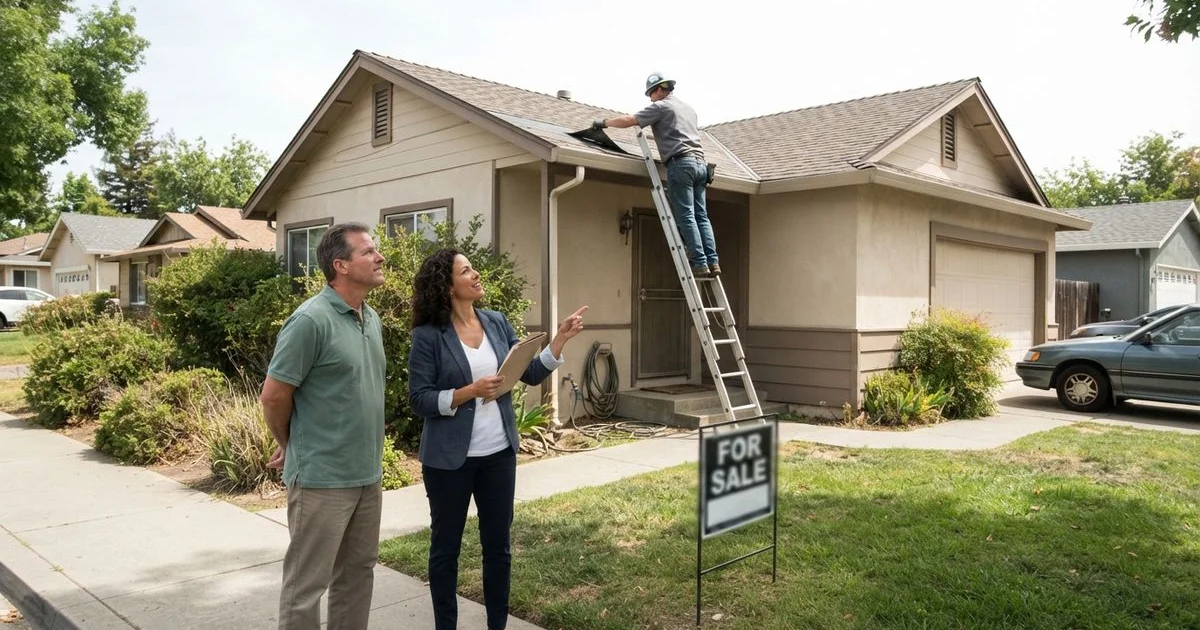
Roof condition is one of the first things a buyer’s inspector flags, and it’s also one of the easier things to prepare for if you start before the house is listed rather than after an offer is already on the table.
What buyers and inspectors actually check
A home inspector evaluating the roof typically looks at overall material condition and remaining useful life, visible signs of past or active leaks (staining in the attic, soft spots in decking), the condition of flashing around chimneys, vents, and skylights, and gutter condition and drainage. None of this requires getting on the roof themselves in most cases; a trained eye from the ground and a look in the attic covers most of what matters.
Buyers, and their agents, tend to treat roof age and condition as a proxy for how well the rest of the home has been maintained. A roof that’s clearly near the end of its life, even if it’s not actively leaking, often becomes a negotiating point regardless of whether it’s technically still functional.
Repair or replace before listing?
This decision usually comes down to where the roof sits on its expected lifespan and whether there’s any active damage.
| Situation | Common approach |
|---|---|
| Roof is relatively young, isolated repair needed | Fix the specific issue before listing |
| Roof is near or past typical service life | Consider full replacement, or price and disclose accordingly |
| Active leak or visible water damage | Repair before listing; unresolved leaks are a major red flag for buyers |
| Cosmetic wear only, no functional issue | Often left as-is, addressed through pricing or a closing credit |
A roof replacement right before selling is a significant expense, and it doesn’t always return its full cost at sale. Weigh whether a repair addresses the actual concern, or whether the roof’s age alone is going to be a sticking point regardless of small fixes. If a full replacement is the right call, material choice affects resale appeal too; see tile, metal, or solar: comparing specialty roofing materials for how the options compare.
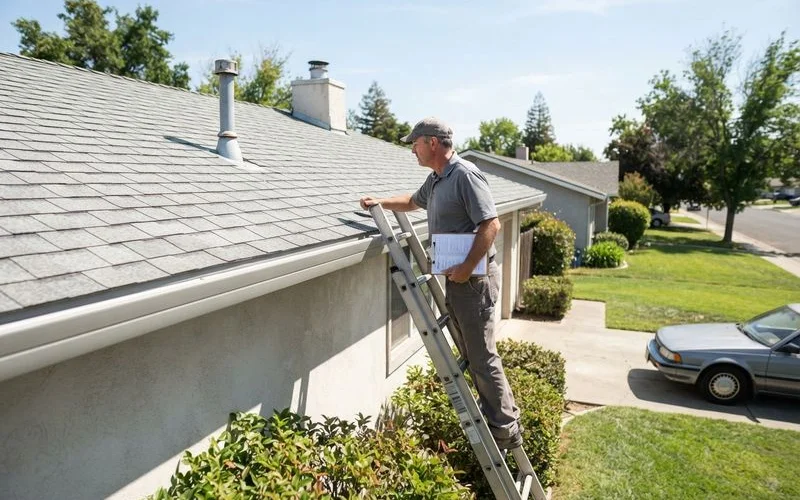
Financing can hinge on roof condition
Some loan programs, particularly certain government-backed mortgage types, have minimum property condition standards that include roof condition. A roof with significant visible damage or an unusually short remaining lifespan can complicate a buyer’s ability to get financing approved, which can stall or kill a sale even if both parties are otherwise ready to close. If you know your roof is on the older side, it’s worth getting ahead of this rather than discovering it during a buyer’s loan process.
Disclosure matters more than perfection
You generally don’t need a brand-new roof to sell a house. What matters more is being upfront about what you know: past leaks, prior repairs, and the roof’s age and material. A well-documented history, including old repair invoices or warranty paperwork if you have them, often reassures buyers more than a roof that looks new but comes with no history at all.
A practical pre-listing checklist
Get a professional inspection from a residential roofing contractor a few weeks before listing, not the week of. Address any active leaks or significant damage. Clean and check gutters, since drainage issues are an easy, visible flag for buyers. Gather any documentation you have on the roof’s age, material, and repair history. And decide upfront whether you’re pricing the home to reflect roof condition or planning to address it before listing, since a clear plan here avoids scrambling once an offer comes in with a repair request attached.
Handling a buyer’s repair request after inspection
Even with a solid pre-listing inspection, a buyer’s own inspector may flag something new or interpret existing wear more cautiously than you expect. When a repair request comes in as part of an offer, you generally have a few options: complete the repair before closing, offer a credit toward the buyer’s closing costs in lieu of the repair, or negotiate the sale price to reflect the condition as-is. Which option makes sense often depends on how close you are to other competing offers and which side has the stronger negotiating position given the specific market conditions at the time.
Timing the work around your sale
If you do decide a repair or replacement is worth doing before listing, build in enough lead time. Scheduling delays are common, especially during the busier spring and early summer selling season, and a roof job that runs long can push back your entire listing timeline. Getting quotes and locking in a contractor a month or more before your target listing date gives you a buffer against scheduling surprises.
Browse this directory for local roofing contractors, and see the ranking method for how they’re ranked.
FAQ
- Do I need a roof inspection before listing my house?
- It's not always required, but it's a smart step. A pre-listing inspection catches issues before a buyer's inspector finds them, which gives you time to decide whether to repair, disclose, or price around the condition rather than negotiating under pressure after an offer is already on the table.
- Should I replace the roof before selling, or let the buyer handle it?
- This depends on the roof's condition and age. A roof nearing the end of its useful life, or with damage significant enough to affect financing, is often worth addressing before listing. Cosmetic wear that doesn't affect function is a less clear-cut case and sometimes better handled through pricing or a credit at closing.
- Can roof condition affect whether a buyer's loan gets approved?
- Yes, in some cases. Certain loan types, particularly government-backed loans, have minimum property condition standards, and a roof in poor condition can hold up or derail financing if it doesn't meet those standards.
- What should I disclose about the roof's history?
- Disclosure requirements vary, but generally you should disclose known material defects, past leaks, and any repair or replacement history you're aware of. Being upfront tends to prevent bigger disputes after closing, when an undisclosed issue surfaces.