
Wildfire smoke, heat, and your roof: what Sacramento homeowners should watch for
By Shoail · Updated 2026-07-24
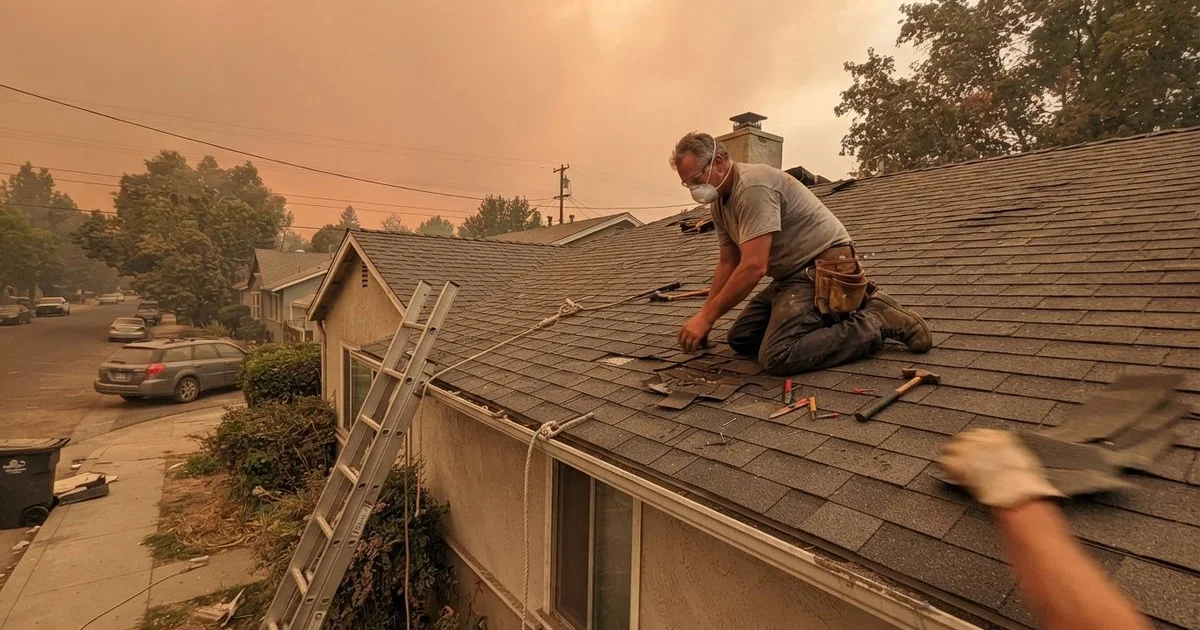
Sacramento’s roofing challenges aren’t limited to rain and wind. Periodic wildfire smoke and long stretches of high summer heat both put a specific kind of stress on a roof that’s worth understanding separately from storm damage.
What wildfire smoke actually does to a roof
Smoke itself doesn’t typically damage roofing material the way water intrusion or wind does. The more practical concern is the ash and particulate residue that settles during and after a smoke event. This residue tends to accumulate in gutters, valleys, and other low points on the roof, where it can combine with morning dew or rain to form a gritty, slightly abrasive buildup. Over repeated smoke seasons, this buildup can contribute to gradual wear on shingle surfaces and, more immediately, clog gutters and downspouts if it isn’t cleared out.
Heat and attic ventilation
Sacramento’s long, hot summers put sustained thermal stress on roofing material, particularly asphalt shingles, which can dry out and become more brittle faster under prolonged high heat. This effect is worse on roofs with inadequate attic ventilation, since trapped heat in the attic space adds to the heat load the shingles are already absorbing from direct sun. A well-ventilated attic, with adequate intake and exhaust airflow, meaningfully reduces this compounding effect and is one of the more overlooked factors in how long a shingle roof actually lasts in a hot climate.
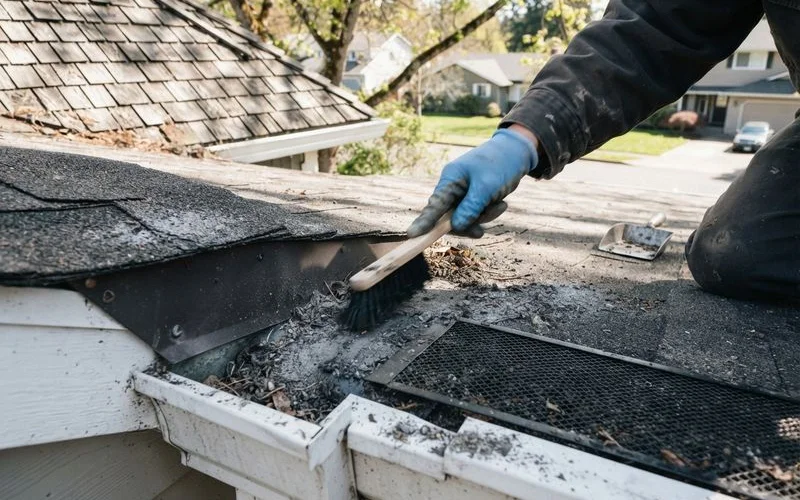
A practical check-in schedule
| Trigger | What to check |
|---|---|
| After heavy smoke or ash settling | Gutters and roof valleys for ash buildup |
| End of wildfire season | Full gutter clean and a visual roof check |
| Before rainy season | Confirm drainage is clear ahead of winter rain |
| Ongoing, hot summer months | Attic ventilation and temperature, if accessible |
Older roofs, or roofs with a known history of poor ventilation, benefit from more frequent attention during heavy smoke or heat periods rather than waiting for a scheduled seasonal check.
Signs worth a professional look
A few signs are worth getting checked rather than waiting: shingles that look unusually dry, curled, or brittle for the roof’s age, gutters that stay clogged with a gritty residue even after a normal cleaning, or noticeably higher attic temperatures than in past summers, which can point to a ventilation issue worth addressing before it accelerates wear further. A roof inspection specialist can assess both ventilation adequacy and overall material condition in one visit, which is a more efficient use of a service call than addressing each concern separately.
Insurance and smoke-related damage
If ash or smoke exposure has caused damage significant enough to warrant an insurance claim, check your policy directly rather than assuming coverage. Some homeowners insurance policies limit or exclude smoke-related damage, or require a specific endorsement to cover it, distinct from how they treat storm or fire damage. This is worth confirming with your insurer well before a wildfire season, not during one.
Simple maintenance that helps
Clearing gutters after heavy smoke events, keeping attic vents unobstructed, and scheduling a professional look if a roof is showing unusual wear for its age are practical, low-cost steps that reduce the compounding effect of heat and ash exposure over multiple seasons.
Roof color and reflectivity
Material color also plays a role in how much heat a roof absorbs. Lighter-colored shingles or coatings reflect more solar radiation than dark ones, which can meaningfully reduce attic heat buildup during Sacramento’s hottest stretches. This is worth factoring in if you’re planning a replacement anyway, since a lighter or more reflective material can ease the load on both the roof itself and your home’s cooling system over a typical summer, without changing anything about how the roof is installed.
Planning around wildfire season
If you know wildfire smoke tends to affect your area in a fairly predictable window each year, it’s worth scheduling your gutter cleaning and general roof check just after that window closes rather than waiting for a routine annual service date that might land in the middle of it. A little bit of planning around the local pattern means less accumulated buildup sitting on the roof for months at a time.
Browse this directory for local roof inspection specialists, and see the ranking method for how listings are evaluated.
FAQ
- Can wildfire smoke actually damage a roof?
- Smoke itself doesn't typically damage roofing material directly, but the ash and particulate residue it leaves behind can clog gutters, accumulate in valleys, and combine with moisture to create a gritty buildup that accelerates wear on some materials over repeated exposure.
- Does extreme summer heat shorten the life of asphalt shingles?
- Yes, prolonged high heat can accelerate the drying and cracking of asphalt shingles over time, particularly on roofs with poor attic ventilation, where trapped heat compounds the effect of direct sun exposure.
- How often should I check my roof and gutters after a smoky wildfire season?
- A check after the smoke has cleared for the season, alongside your regular fall inspection before the rainy season starts, is a reasonable baseline. Homes with heavier ash accumulation or nearby fire activity may warrant an earlier look.
- Does homeowners insurance cover ash or smoke-related roof damage?
- This depends heavily on your specific policy, and some policies limit or exclude smoke-related damage or require a specific endorsement. Check your policy directly or ask your insurer rather than assuming standard coverage applies.